Why Some Cornice and Plaster Mouldings Look Better Than Others
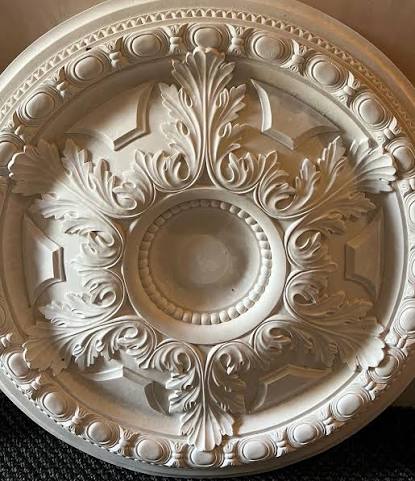
When comparing decorative plasterwork, the difference between average products and quality plaster mouldings is often immediately noticeable. Sharper detail, smoother surfaces and cleaner installation lines all contribute to a superior finished appearance.
Many homeowners assume all plaster mouldings are manufactured to the same standard. In reality, significant differences exist in materials, production methods and craftsmanship.
Understanding what creates quality plaster mouldings can help property owners make better decisions when selecting cornices, ceiling roses and other decorative features.
The Importance of Sharp Detail
One of the first indicators of quality is the sharpness of the profile.
Well-manufactured mouldings reproduce every detail of the original design, creating crisp shadows and elegant lines once installed.
Lower quality products often display:
- Soft or rounded edges
- Loss of fine detail
- Uneven profile shapes
- Surface imperfections
These flaws become particularly obvious in period properties where decorative plasterwork is intended to be a focal feature.
Better Materials Create Better Results
The materials used during manufacture play a major role in the final appearance.
High-quality plaster mouldings are produced using carefully controlled plaster mixes reinforced where necessary for strength and stability.
Benefits include:
- Greater durability
- Cleaner surface finish
- Improved dimensional accuracy
- Better resistance to damage during installation
Cheaper alternatives may save money initially but often lack the refinement expected in premium decorative interiors.
The Manufacturing Process Matters
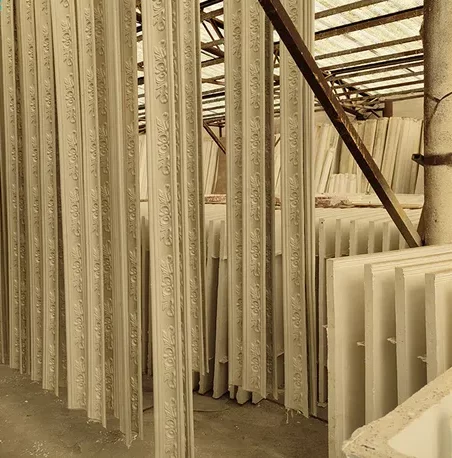
The best decorative plasterwork is produced using accurate moulds and careful manufacturing techniques.
Attention is paid to:
- Consistent casting
- Correct reinforcement
- Proper drying procedures
- Quality control inspections
Manufacturers who rush production can produce mouldings with distortions, shrinkage or surface defects that become visible after installation.
This is one reason why professional manufacturers invest heavily in skilled craftsmanship and production standards.
Installation Quality Is Equally Important
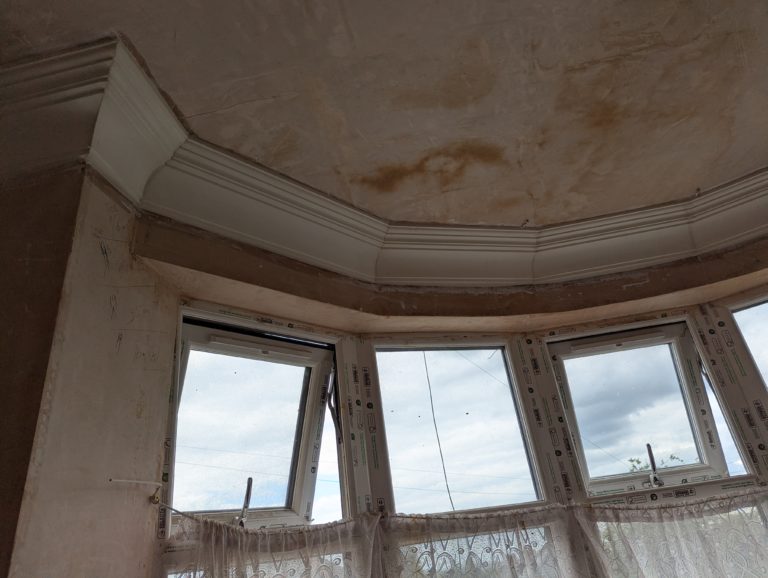
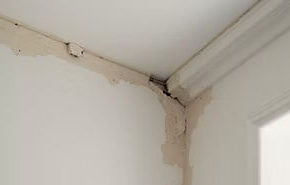
Even the finest mouldings can look poor if installed incorrectly.
Accurate mitres, clean joints and proper fixing methods are essential to achieving a seamless appearance.
Professional installation ensures:
- Smooth transitions around rooms
- Minimal visible joints
- Consistent projection and alignment
- Long-term stability
This is why installation quality should always be considered alongside product quality.
Period Properties Demand Authentic Profiles
Owners of Victorian, Edwardian and Georgian properties often require mouldings that accurately reflect the original architectural style.
Quality plaster mouldings allow damaged or missing sections to be replicated precisely from existing profiles.
This creates a seamless repair that preserves the character and authenticity of the building.
Poorly matched replacements can stand out immediately and reduce the overall visual impact of the room.
Long-Term Value
While premium plaster mouldings may cost more initially, they often represent better value over time.
Benefits include:
- Improved appearance
- Reduced maintenance
- Greater durability
- Better property presentation
- Enhanced period character
Investing in quality products from the outset can avoid future repair and replacement costs.
Conclusion
Quality plaster mouldings combine skilled craftsmanship, accurate manufacturing and professional installation to create decorative features that stand the test of time.
Whether restoring a period property or enhancing a modern interior, choosing quality plaster mouldings will always produce a more refined and impressive result.