
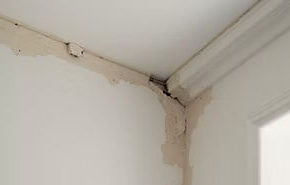
Why Plaster Cornices Crack
One of the most common concerns homeowners have about decorative plasterwork is cracking. While cracks in plaster cornices can be alarming, they do not always indicate serious structural problems.
Understanding why plaster cornices crack is important when deciding whether repair work is needed and how future damage can be prevented. In many cases, cracks develop gradually due to normal building movement, ageing materials or poor installation practices.
The key is identifying the cause before carrying out repairs.
Why Plaster Cornices Crack in Older Properties
Many period properties naturally experience small amounts of movement over time. Buildings expand and contract with seasonal temperature changes, foundations settle and materials age.
Because plaster cornices are fixed at the junction between walls and ceilings, they are often affected by these movements.
Older Victorian, Edwardian and Georgian properties frequently develop minor cracks as part of the natural ageing process.
Building Settlement
One of the most common causes of cornice cracking is building settlement.
Settlement can occur when:
- Foundations gradually move
- Structural alterations are made
- New extensions are added
- Ground conditions change
As the building shifts slightly, stress can be transferred into decorative plasterwork, causing visible cracks along joints or within the cornice itself.
Minor settlement cracks are often cosmetic rather than structural.
Seasonal Movement
Buildings constantly respond to changes in temperature and moisture levels.
Timber floors, roof structures and wall materials expand and contract throughout the year. These movements may be small, but over time they can place stress on plaster mouldings.
This is particularly common in:
- Older period properties
- Timber-framed buildings
- Properties with large roof spaces
- Homes exposed to significant temperature fluctuations
Seasonal movement often creates fine hairline cracks that appear and disappear slightly throughout the year.
Poor Installation
Not all cornice cracks are caused by the building itself.
Poor installation practices can significantly increase the likelihood of cracking.
Common installation issues include:
- Inadequate fixing methods
- Weak joints
- Poor preparation of surfaces
- Insufficient support
- Incorrect adhesives
When cornice is not properly secured, normal building movement can quickly cause cracks to develop.
This is one reason why professional installation is so important.
Drying and Shrinkage Problems
Plaster products require controlled drying conditions.
Unfortunately, some installers or decorators attempt to accelerate drying by:
- Opening all windows
- Using fan heaters directly on plaster
- Applying excessive heat
- Decorating before the plaster has fully cured
Rapid drying can cause shrinkage and stress within the plaster, increasing the risk of cracking.
Proper curing allows moisture to leave the plaster gradually and evenly, reducing the likelihood of future defects.
Water Damage
Water is one of the biggest threats to decorative plasterwork.
Leaks from roofs, gutters, plumbing or upper-floor bathrooms can weaken plaster and cause:
- Staining
- Softening
- Expansion
- Cracking
- Detachment
Before repairing any cracked cornice, it is essential to identify and eliminate the source of moisture.
Otherwise, the problem is likely to return.
Previous Poor Repairs
Many older properties contain repairs carried out decades ago using inappropriate materials.
Examples include:
- Modern fillers
- Expanding foams
- Lightweight compounds
- Incorrect adhesives
These materials often behave differently from traditional plaster and may crack, separate or fail over time.
Removing failed repairs and replacing them with compatible plaster materials often provides a longer-lasting solution.
When Should You Be Concerned?
Most small cracks are relatively harmless and can be repaired successfully.
However, professional assessment is recommended if:
- Cracks continue to widen
- Multiple new cracks appear suddenly
- Cornice becomes loose
- Pieces begin to fall away
- Structural movement is suspected
Identifying the underlying cause is essential before carrying out cosmetic repairs.
Repairing Cracked Cornice
The correct repair method depends on the cause and extent of the damage.
Possible solutions include:
- Filling hairline cracks
- Reinforcing joints
- Recasting damaged sections
- Replacing localised areas
- Producing matching mouldings from existing profiles
In many cases, professional repairs can become virtually invisible once decorated.
Conclusion
Why plaster cornices crack is a question many homeowners ask when maintaining period properties. While cracks can result from building movement, settlement, ageing materials or poor installation, they are often repairable without replacing the entire cornice.
By identifying the root cause and using appropriate repair methods, decorative plasterwork can usually be restored successfully while preserving the character and architectural integrity of the property. Professional assessment and high-quality workmanship remain the best way to ensure repairs provide a durable, long-lasting result.