Proper Drying of Plaster Mouldings

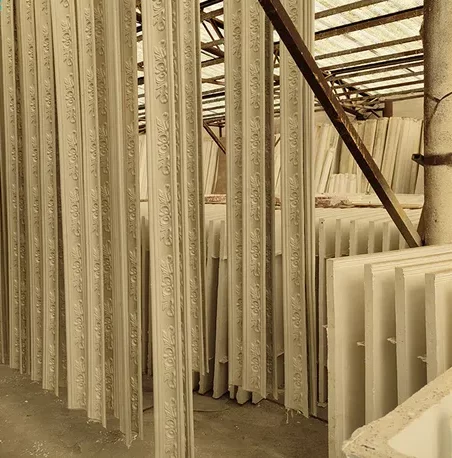
Proper drying is one of the less visible but most important parts of decorative plaster moulding manufacture. Rushing this stage can create avoidable problems later.
Drying Is Part Of Manufacture
Plaster moulding manufacture does not finish when the moulding leaves the mould. Drying and curing are essential stages that affect strength, stability and installation performance.
Why Rushing Is A Problem
Forcing rapid drying can pull moisture out unevenly. This can increase the risk of cracking, distortion, weakness and poor long-term performance.
Temperature And Ventilation
Controlled drying conditions are important. Excessive heat, sudden airflow or poor ventilation can all affect the way plaster behaves.
Thickness Matters
Larger or thicker decorative features require more care because they hold more moisture and can dry unevenly.
Installation Timing
Installing mouldings before they are ready can create problems later. Professional judgement is needed to decide when plasterwork is suitable for fitting.
Quality Control
Good manufacturers check mouldings for profile accuracy, strength and finish before installation.
PMY Approach
Profile Mouldings Yorkshire treats drying and curing as part of the quality process, not an inconvenience to be rushed.
Need Professional Advice?
If you are planning a decorative plasterwork project, Profile Mouldings Yorkshire can help with cornices, ceiling roses, heritage restoration, moulding replication, insurance repairs and bespoke plaster features across Yorkshire, Manchester, Cheshire and surrounding areas.
Contact Profile Mouldings Yorkshire to discuss your project or request a quotation.
Useful External Guidance
For wider background information, these independent resources may also be helpful:
Related PMY Pages
- Manufacturing Plaster Mouldings
- Bespoke Moulding Replication
- Heritage & Listed Building Restoration
- Contact
Related Decorative Plasterwork Examples