Why Cornices Crack

Cracking in decorative cornice can be frustrating, but it is not always caused by the same problem. Understanding the cause is the first step towards choosing the correct repair.
Cracks Have Different Causes
A cracked cornice does not automatically mean the whole feature has failed. The cause may be movement, age, poor installation, impact damage or moisture.
Building Movement
Older properties naturally move over time. Settlement, vibration and structural changes can all create stress around decorative plasterwork.
Poor Installation
Incorrect fixing, weak joints, poor preparation and bad setting out can all contribute to cracking. Installation quality is often as important as the moulding itself.
Drying Problems
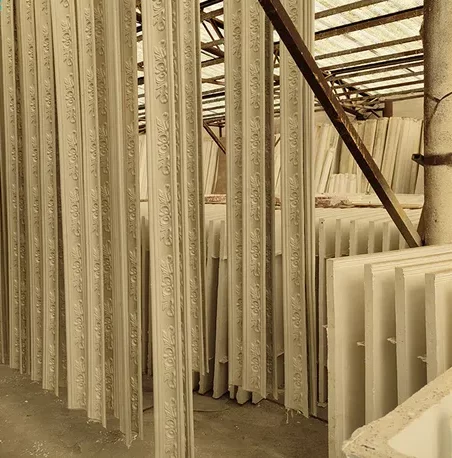
Forcing plaster to dry too quickly can increase the risk of cracking and weakness. Correct drying and curing are important during manufacture and after installation.
Water Damage
Leaks can soften plaster, damage reinforcement and weaken surrounding areas. Once moisture has affected decorative plasterwork, careful assessment is needed.
Repair Or Replace?
Many cracks can be repaired, but badly damaged or missing sections may require replication or replacement.
PMY Services
Profile Mouldings Yorkshire can assess damaged cornices, repair suitable sections and reproduce missing features where required.
Need Professional Advice?
If you are planning a decorative plasterwork project, Profile Mouldings Yorkshire can help with cornices, ceiling roses, heritage restoration, moulding replication, insurance repairs and bespoke plaster features across Yorkshire, Manchester, Cheshire and surrounding areas.
Contact Profile Mouldings Yorkshire to discuss your project or request a quotation.
Useful External Guidance
For wider background information, these independent resources may also be helpful:
Related PMY Pages
- Cornices & Coving
- Manufacturing Plaster Mouldings
- Insurance Plaster Restoration
- Bespoke Moulding Replication
- Contact
Related Decorative Plasterwork Examples